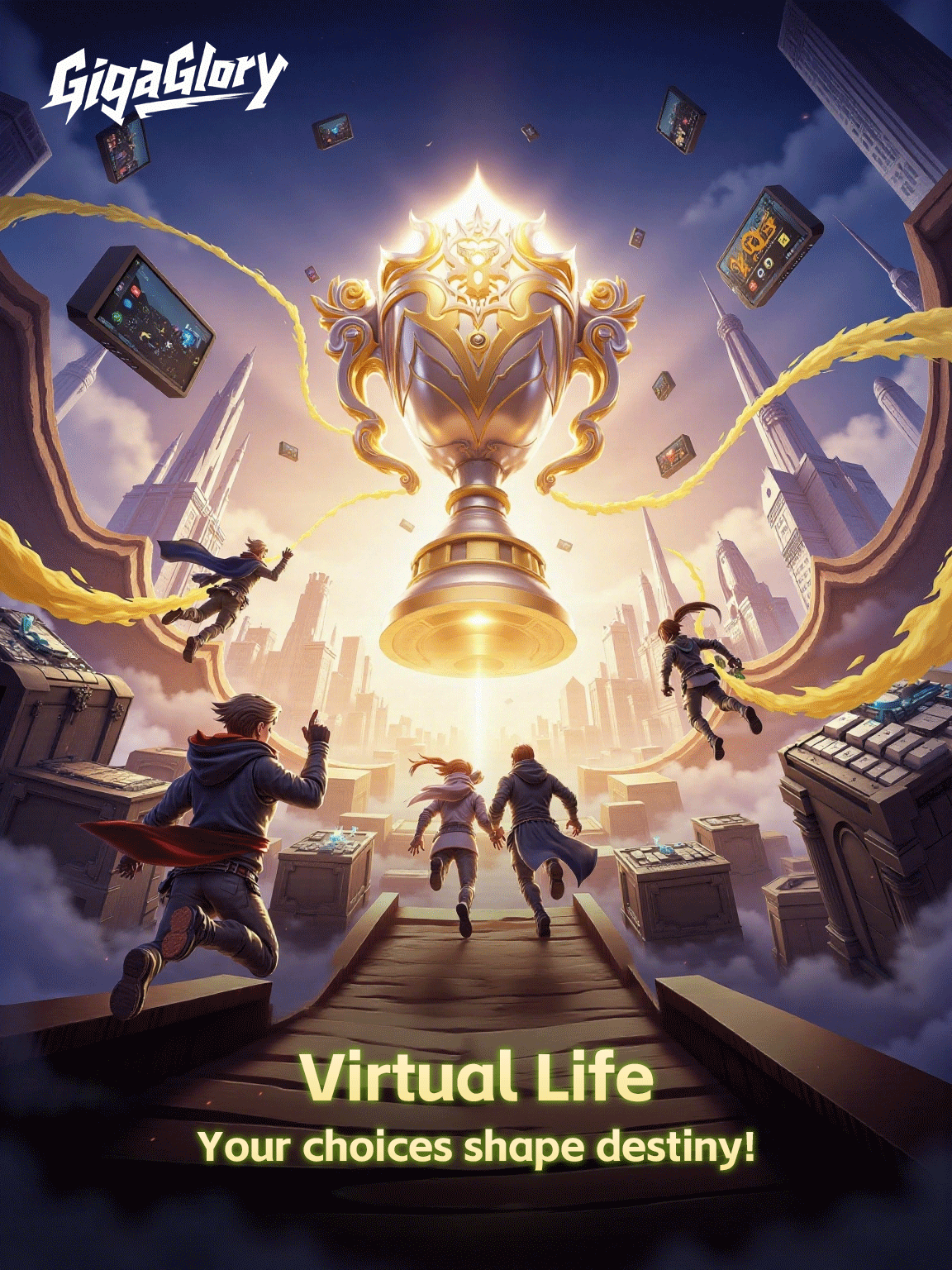
Exploring the Future: How Simulation Games Are Revolutionizing the Gaming Experience
In recent years, simulation games have emerged as a formidable force in the gaming industry. They offer players a unique opportunity to step into different roles, explore imaginative worlds, and even simulate real-life scenarios. But how are these games changing the overall gaming landscape? Let’s delve into the innovative aspects of simulation games and uncover the ways they are transforming the gaming experience.
The Rise of Simulation Games
Simulation games have come a long way since the days of simplistic mechanics and basic graphics. Today, they cater to a diverse audience seeking both entertainment and education. Titles like "The Sims," "Cities: Skylines," and "Microsoft Flight Simulator" captivate players with their realism and depth. The evolution of technology allows these games to flourish, providing immersiveness and detailed environments.
What Makes Simulation Games So Engaging?
- Realistic Environments: Players can immerse themselves in richly designed worlds that mirror reality.
- Endless Possibilities: The freedom to create and manipulate aspects of gameplay is incredibly appealing.
- Learning Opportunities: Many simulation games teach players valuable skills—be it strategic planning in "Clash of Clans" or resource management in "SimCity."
Types of Simulation Games
Simulation games can be classified into various types based on their core mechanics and themes. Here’s a quick breakdown:
| Type of Simulation Game | Description | Examples |
|---|---|---|
| Life Simulation | Focuses on simulating daily life and relationships. | "The Sims," "Animal Crossing" |
| Construction and Management | Players build and manage resources. | "Cities: Skylines," "SimCity" |
| Vehicle Simulation | Features realistic driving or flying experiences. | "Microsoft Flight Simulator," "BeamNG.drive" |
| Strategy Simulation | Involves strategic planning and tactical gameplay. | "Clash of Clans," "Total War" |
The Social Aspect of Simulation Games
One aspect often overlooked is how simulation games foster community. Players often collaborate and share strategies, enhancing the overall experience. Games like "Clash of Clans" thrive on social interaction, with clans and alliances offering players a sense of belonging. This social dynamic keeps players coming back for more.
Technology and Game Development
With advancements in technology, simulation games are becoming more vivid and lifelike. High-definition graphics, sophisticated AI, and improved physics engines all contribute to making these games truly absorbing. Developers now harness the power of Virtual Reality (VR) and Augmented Reality (AR) to create even more engaging user experiences. The Nintendo game RPG genre is opening vistas as players dive into fantastical adventures while using real-world gestures.
Benefits of Playing Simulation Games
There are numerous benefits to engaging with simulation games. Here are some noteworthy points:
- Enhances Problem-Solving Skills: Players often face challenges that require critical thinking.
- Improves Creativity: Creating and managing worlds encourages imaginative thinking.
- Boosts Learning: Exposure to real-world concepts, from city planning to time management.
Breaking Stereotypes: Who Plays Simulation Games?
Once stereotyped as games for a niche audience, simulation games have transcended age and gender barriers. Today, they attract a diverse demographic, with parents playing alongside their children and seniors stepping into virtual worlds too. The inclusion of various themes ensures there’s something for everyone, blurring traditional gaming lines.
The Future of Simulation Games
Looking ahead, we can anticipate even more groundbreaking transformations. The integration of AI will likely allow for more personalized gaming experiences. Cloud gaming could also revolutionize how players access and experience these intricate worlds, enabling instant play across devices without the need for powerful hardware.
What Can We Learn from Simulation Games?
Beyond entertainment, simulation games teach valuable life lessons. They demonstrate the importance of planning, resource management, and collaboration. Players emerge with new perspectives and skills that can be applied in real life.
The Effect of Simulation Games on Mental Health
Surprisingly, simulation games can also be beneficial for mental health. They provide players a safe space to express themselves creatively. Moreover, engaging with virtual worlds can serve as a form of escapism, helping to alleviate stress and anxiety for many.
Conclusion
In conclusion, simulation games are not merely a passing trend; they represent a significant shift in the gaming industry. They connect players, challenge cognitive skills, and inspire creativity while immersing them in intricate worlds. As we navigate the future, it's clear that simulation games will play an essential role in how we experience and engage with digital entertainment. Whether you're a casual player or a hardcore enthusiast, there's never been a better time to dive into the realm of simulation games and explore their endless possibilities!